
Overview
Spectroscopy is a powerful analytical technique used to study the interaction of matter with electromagnetic radiation, an essential analytical tool in the fields of chemistry, physics, and various other scientific disciplines. It involves the study of how matter interacts with different wavelengths of electromagnetic radiation, such as visible light, ultraviolet, infrared, or radio waves. Spectroscopy provides valuable information about the composition, structure, and properties of materials. It helps researchers identify chemical compounds, determine their concentrations, study molecular vibrations, and investigate electronic transitions, among other applications. Spectroscopy finds extensive applications in fields such as analytical chemistry, material science, astronomy, biochemistry, and environmental science. It is instrumental in characterizing molecules, determining the authenticity of substances, and understanding the behavior of matter in various environments.
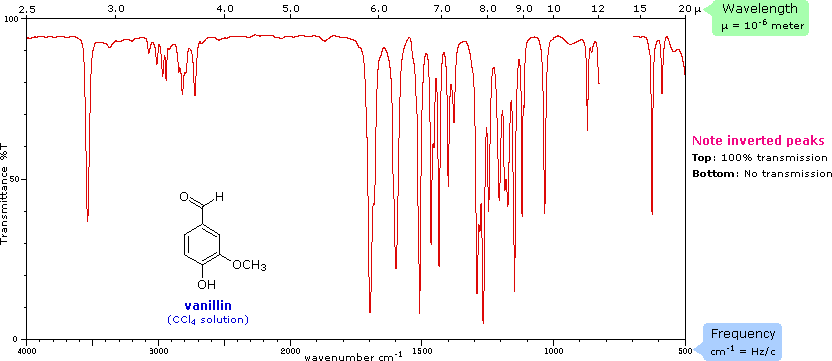
Materials and Techniques in Spectroscopy:
To perform spectroscopic analyses, you’ll need several key components:
- Light Source: An appropriate light source that emits electromagnetic radiation of the desired wavelength, such as lasers or lamps.
- Sample Holder: A container or device to hold the material being analyzed, ensuring consistent and repeatable measurements.
- Monochromator/Detector: A device that disperses the incoming radiation into its component wavelengths and detects the intensity of each wavelength.
- Reference Material: A substance with known properties used as a reference for calibration and comparison.
- Data Analysis Software: To process and interpret the spectral data obtained during the analysis.
Basic Steps in Spectroscopy:
Here’s a simplified outline of the spectroscopy process:
- Preparation of Sample: The sample is prepared and placed in the appropriate sample holder to ensure accurate measurements.
- Interaction with Radiation: The sample is exposed to electromagnetic radiation, such as visible light, ultraviolet, or infrared.
- Absorption, Emission, or Scattering: Depending on the type of spectroscopy, the sample will absorb specific wavelengths, emit light at certain wavelengths, or scatter the incident radiation.
- Measurement: The intensity of the transmitted, emitted, or scattered radiation is measured using a detector or spectrometer.
- Data Analysis: The collected data is analyzed to identify characteristic features or absorption/emission bands, and the information is used to determine the properties of the sample.
- Comparison to Reference: The obtained spectral data is often compared to reference spectra to identify specific compounds or verify the authenticity of the material.
 Scientia Research