
Overview
Real-time PCR, also known as quantitative PCR (qPCR) or RT-PCR, is a versatile and widely used molecular biology method that enables researchers to amplify and quantify DNA in real-time during the PCR process. It allows for the accurate determination of the initial amount of DNA in a sample and provides insights into gene expression levels, genetic variations, and pathogen detection. RT-PCR provides valuable information about gene expression, viral load, DNA mutations, and relative amounts of specific DNA sequences. It allows researchers to measure DNA amplification as it occurs, enabling quantification with high sensitivity and specificity. RT-PCR finds extensive applications in genomics, molecular diagnostics, microbial detection, and genetic research. It plays a crucial role in studying gene expression patterns, validating microarray data, identifying pathogens, and analyzing genetic mutations.
Materials and Equipment in RT-PCR:
To perform RT-PCR, you’ll need several key components:
- DNA Sample: The DNA of interest, which may be genomic DNA, cDNA reverse transcribed from RNA, or DNA from other sources.
- Primers and Probes: Short DNA sequences specific to the target region of interest, which are essential for amplification and detection.
- DNA Polymerase: An enzyme responsible for DNA synthesis during the PCR process.
- Fluorescent Dyes or Probes: Molecules that emit fluorescence when bound to the amplified DNA, allowing real-time detection of DNA amplification.
- Thermal Cycler with Optical Detection: The RT-PCR instrument that automates the cycling and fluorescence detection.
- Reference Material (if applicable): A standard sample or a dilution series of known DNA concentrations used to create a standard curve for quantification.
Basic Steps in RT-PCR:
Here’s a simplified outline of the RT-PCR process:
- Primer Design and Sample Preparation: Design and select specific primers and probes to target the DNA region of interest. Prepare the DNA sample to be analyzed.
- Reaction Setup: Combine the DNA sample with the primers, DNA polymerase, and fluorescent dyes or probes in a reaction mix.
- PCR Amplification and Fluorescence Detection: Perform the PCR amplification cycles in the RT-PCR instrument while simultaneously detecting the fluorescence emitted during amplification.
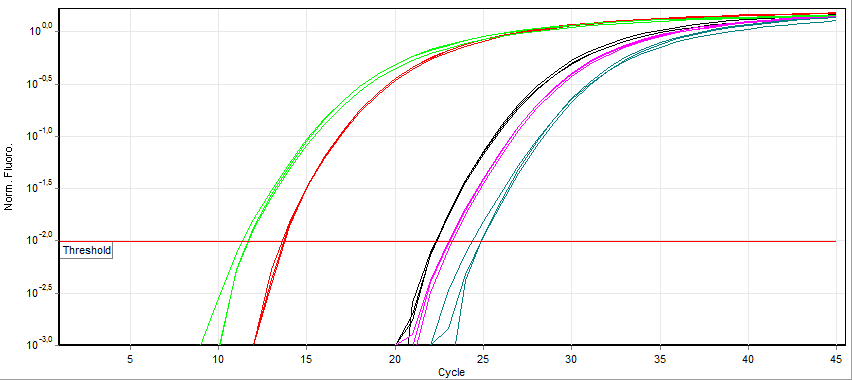
- Data Collection and Analysis: The RT-PCR instrument records the fluorescence signal at each cycle. Analyze the data using specialized software, which provides information on the initial DNA concentration and relative gene expression levels.
- Quantification (if applicable): If quantification is required, use the standard curve generated from the reference material to calculate the absolute DNA concentration in the original sample.
 Scientia Research