

Research conferences and symposiums bring together scientists, researchers, and scholars from diverse fields to share knowledge, present findings, and foster collaborations. Research conferences are larger events covering a broad range of topics with multiple presentations and diverse attendees. Symposia, on the other hand, are specialized, focused events with shorter durations, emphasizing in-depth discussions on a specific theme and attracting attendees with keen interest in that topic. Both provide valuable opportunities for knowledge exchange and networking among researchers and experts.
Presenting at a symposium can be an exciting and rewarding experience, offering an opportunity to showcase your research and receive valuable feedback. In this comprehensive guide, we’ll cover what to expect, how to prepare, essential oral presentation tips, and tricks to make your symposium presentation a success.
Understand the Symposium Format:
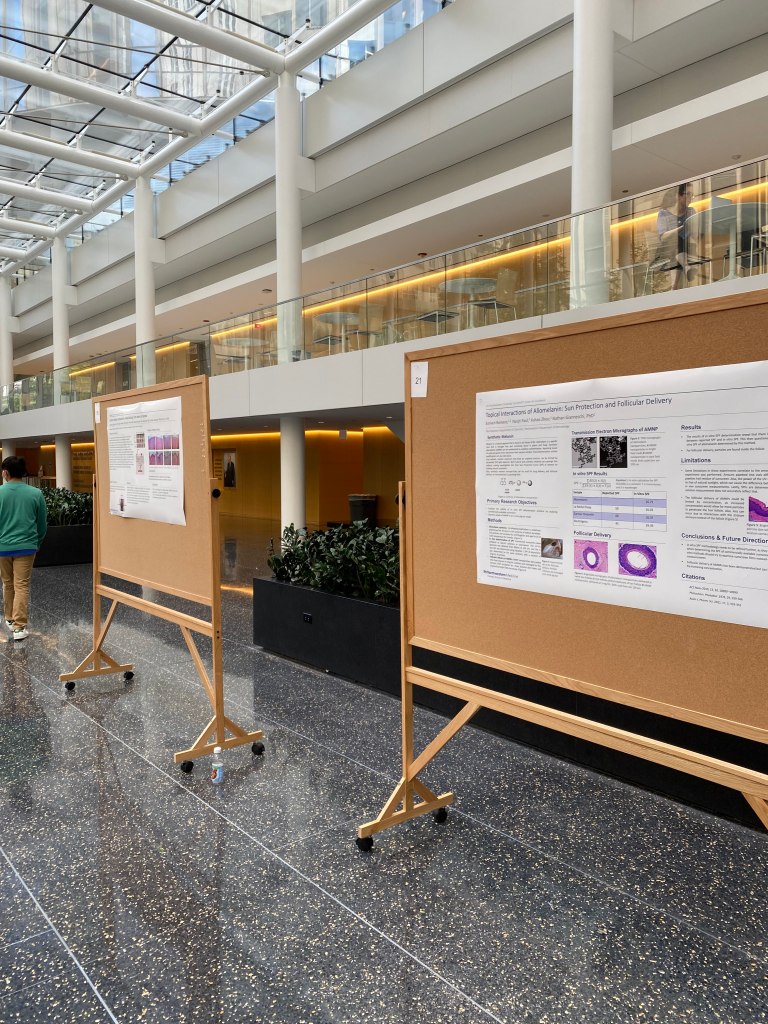
Familiarize yourself with the symposium’s structure, including the duration of your presentation, Q&A session, and any specific guidelines or themes set by the organizers. In a conference, you’ll usually be given a set duration of time. For a symposium, you are generally standing in front of your poster, and other people will come and ask questions.
Preparation is key:
- Begin your preparation well in advance to have ample time for refining your content and polishing your delivery. Organize your thoughts, data, and key messages to create a coherent and impactful presentation. You generally will not have notes during your presentation, so make sure you fully understand your material before presenting.
- Focus on conveying a clear and concise message. Structure your presentation logically, with a strong introduction, well-defined objectives, main findings, and a compelling conclusion.
- Use visual aids like slides, graphs, and images to enhance your presentation and make complex concepts easier to understand. Keep the design clean, consistent, and avoid clutter.
- Rehearse your presentation multiple times to become familiar with the content and improve your delivery. Practice in front of friends or colleagues to receive feedback. Remember to stay mindful of the allocated presentation time. Practice delivering your talk within the time limit to avoid rushing or exceeding the allotted time. For symposia, it’s generally good to have a few-minute elevator pitch.
Presenting:
- Tailor your presentation to the symposium’s audience, which may include fellow researchers, scholars, students, and industry professionals. Adjust your language and level of technical detail accordingly.
- Anticipate potential questions and prepare concise and accurate responses. Be open to feedback and engage in constructive discussions during the Q&A session.
- Summarize your key points and reiterate the importance of your research. Leave a lasting impression by offering avenues for future research or applications.
Other tips:
- Networking Opportunities
Take advantage of networking opportunities during breaks and social events to connect with other presenters, experts, and potential collaborators. - Enjoy the Experience:
Remember that presenting at a symposium is a valuable opportunity to share your work and contribute to your field. Embrace the experience with enthusiasm and passion!
Goodluck!
 Scientia Research