
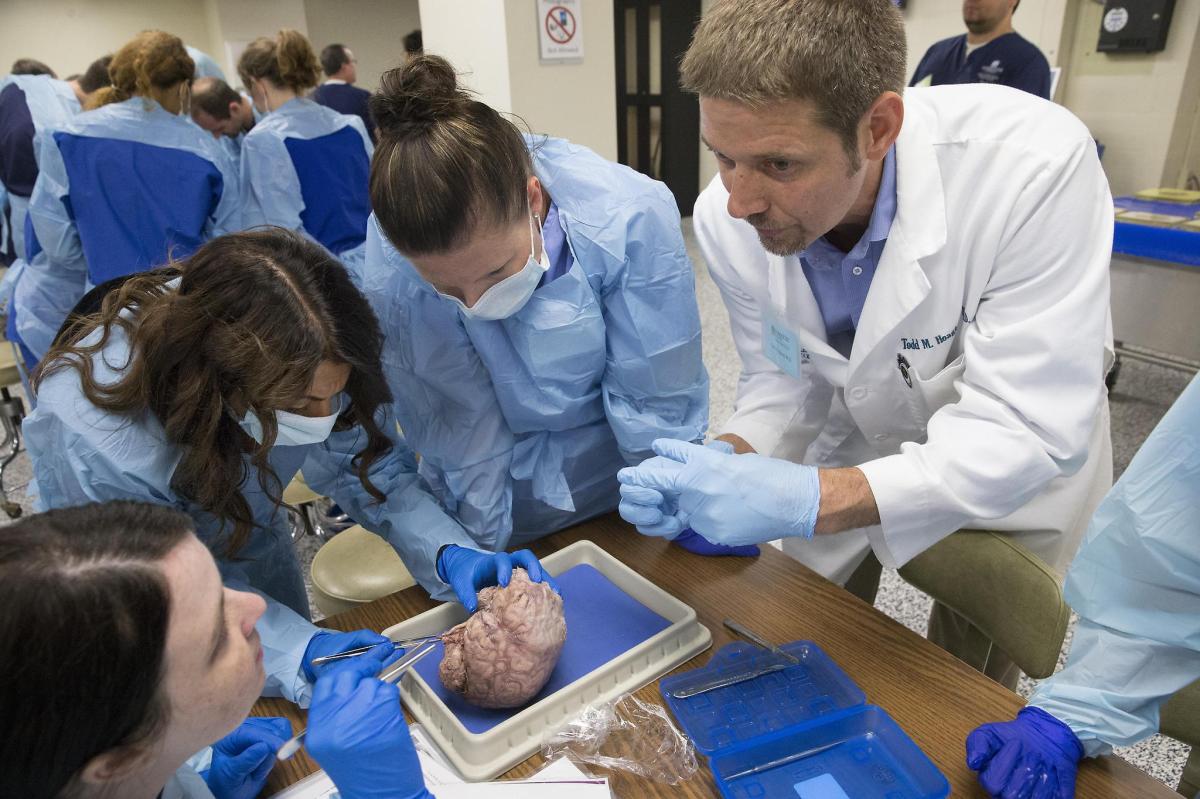
What is the study of neuroscience?
Neuroscience is the scientific study of the nervous system, encompassing a wide range of subfields that explore the structure, function, and mechanisms of the brain and nervous system.
Key subtopics in neuroscience include cognitive neuroscience, behavioral neuroscience, cellular neuroscience, computational neuroscience, clinical neuroscience, and developmental neuroscience. Cognitive neuroscience investigates the neural basis of cognitive processes, such as memory, attention, language, and decision-making. Behavioral neuroscience explores the relationship between brain function and behavior, studying how the brain controls actions, emotions, and responses to the environment.
Cellular neuroscience focuses on the study of individual nerve cells (neurons) and their interactions, investigating how neurons communicate and process information. Computational neuroscience employs mathematical models and simulations to understand neural computations and complex brain functions. Clinical neuroscience investigates neurological disorders and brain injuries to develop diagnostic and therapeutic interventions.
Developmental neuroscience explores how the nervous system develops from embryo to adulthood, shedding light on the formation of neural circuits and their role in shaping behavior and cognition.
Some notable figures
Throughout history, influential figures have made significant contributions to the field of neuroscience and our understanding of the brain. Santiago Ramón y Cajal’s work on the structure of the nervous system earned him the Nobel Prize and laid the foundation for modern neuroscience. Eric Kandel’s research on the cellular mechanisms of learning and memory provided insights into the molecular basis of cognition.
Some notable breakthroughs
Neuroscience has witnessed remarkable breakthroughs, driven by advances in brain imaging technologies, molecular biology, and neural recording techniques. Functional magnetic resonance imaging (fMRI) allows researchers to visualize brain activity non-invasively, while optogenetics enables precise control of neural activity using light.
What does it take?
Conducting neuroscience research involves a combination of experimental techniques, data analysis, and theoretical modeling. Neuroscientists use cutting-edge technologies to study brain function and analyze large datasets to understand complex neural processes. Theoretical models help interpret experimental results and provide insights into brain function and behavior.
 Scientia Research