Categories
exploring fields of research

Biology

What is the study of biology?

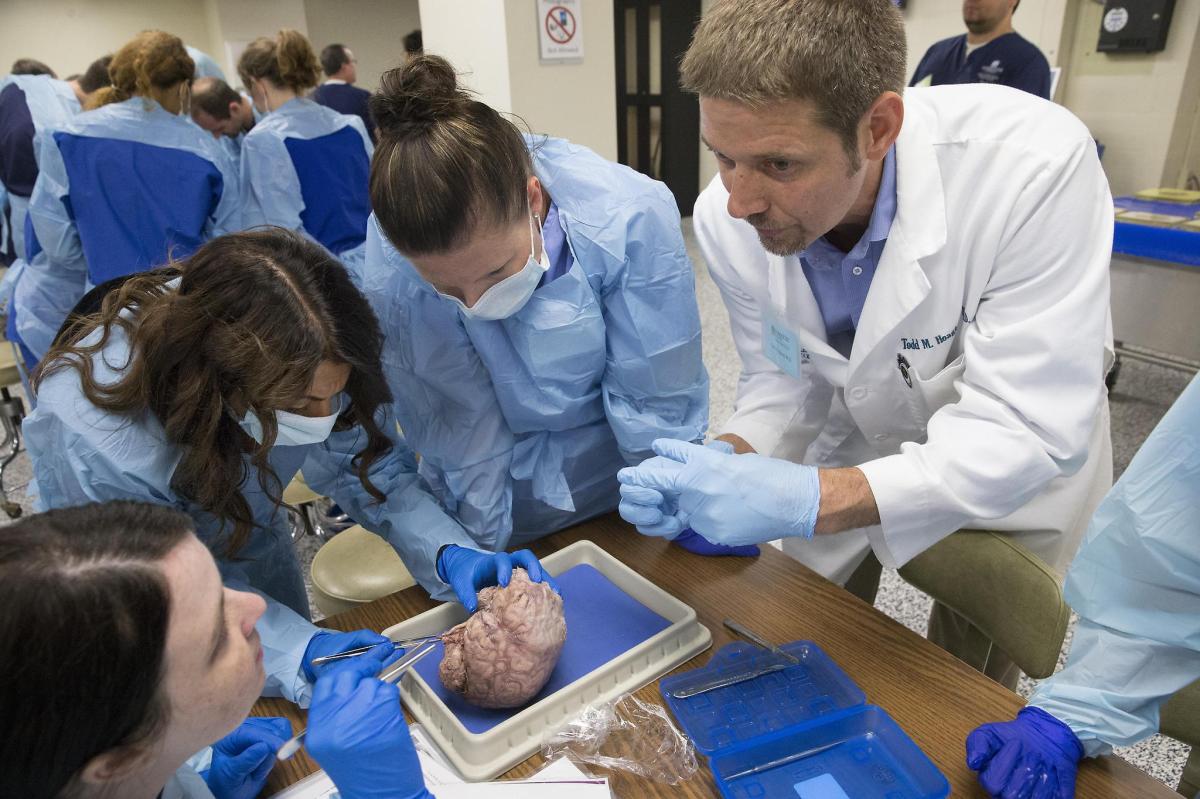
Biology is the scientific exploration of life and living organisms. Biology examines the processes and structures that sustain life, including genetics, ecology, physiology, microbiology, molecular biology, and evolutionary biology, just to name a few. Geneticists study the inheritance and expression of genes, seeking to understand how traits are passed down through generations. Ecologists investigate the intricate relationships between organisms and their environments, delving into ecosystems, biodiversity, and the interdependence of species. Physiologists focus on the mechanisms and functions that underlie the physiological processes of living organisms, spanning from cellular to systemic levels. Microbiologists explore the diverse world of microorganisms, ranging from bacteria and viruses to fungi and protists, unveiling their impact on health, disease, ecological systems, and so on. Each subtopic of biology studies a very small aspect of life, and they are all interconnected with each other.

Some notable figures

  • Charles Darwin’s theory of evolution by natural selection, expounded in his seminal work “On the Origin of Species,” revolutionized the understanding of life’s history and diversity.
  • Gregor Mendel, known as the “father of modern genetics,” conducted pioneering studies on pea plants, establishing the principles of inheritance that form the foundation of genetics.
  • Rosalind Franklin’s crucial work on X-ray crystallography played an essential role in the discovery of the double helix structure of DNA by Watson and Crick.
  • Jane Goodall’s groundbreaking research on chimpanzees provided profound insights into the behavior and social structure of our closest living relatives.

Some notable breakthroughs

  • In 1953, James Watson and Francis Crick unraveled the double helix structure of DNA, opening the doors to the molecular understanding of genetics and inheritance. This breakthrough laid the foundation for modern molecular biology and biotechnology, shaping fields like genomics and genetic engineering. In recent years, the development of CRISPR-Cas9 gene-editing technology has sparked a revolution in genetic manipulation, enabling precise modifications to DNA with far-reaching implications for medicine and agriculture.
  • The Human Genome Project, completed in 2003, marked a milestone in biology, revealing the complete sequence of the human genome and fostering advances in personalized medicine and the study of genetic diseases.

What does it take?

Conducting biology research requires a diverse array of resources. Laboratories equipped with advanced instruments and technologies are essential for conducting experiments and analyses. Researchers often work with biological specimens, ranging from microorganisms and cell cultures to tissue samples and model organisms. Access to scientific literature, databases, and computational resources is vital for staying on top of current research and analyzing complex datasets.


Categories
exploring fields of research

Astronomy

What is the study of astronomy?

Astronomy is the scientific study of celestial objects and phenomena beyond Earth’s atmosphere. It encompasses various subfields that explore the vastness of the universe, its celestial bodies, and the fundamental forces that govern its dynamics. Key subtopics in astronomy include astrophysics, cosmology, planetary science, stellar astronomy, and observational astronomy.

Astrophysics delves into the physical properties and behavior of celestial objects, such as stars, galaxies, and black holes. Cosmology seeks to understand the origin, structure, and evolution of the universe as a whole, addressing questions about its age, composition, and future fate. Planetary science focuses on the study of planets, moons, and other objects in our solar system, investigating their geology, atmospheres, and potential for habitability.

Stellar astronomy examines the life cycles of stars, their formation, fusion processes, and eventual fates, including supernovae and black holes. Observational astronomy involves the use of telescopes and other instruments to study celestial objects and phenomena, collecting data across various wavelengths to unveil the secrets of the cosmos.

Some notable figures

  • Throughout history, prominent figures have significantly contributed to the field of astronomy. Galileo Galilei’s astronomical observations with his telescope challenged prevailing beliefs and laid the foundation for modern observational astronomy.
  • Johannes Kepler’s laws of planetary motion and Isaac Newton’s theory of universal gravitation revolutionized our understanding of celestial mechanics.
  • Edwin Hubble’s discovery of the expansion of the universe was instrumental in shaping modern cosmology.

Some notable breakthroughs

  • The discovery of cosmic microwave background radiation, which confirmed the Big Bang theory of the universe’s origin, is considered one of the most significant achievements in cosmology.
  • The detection of exoplanets orbiting distant stars has opened new possibilities for the search for extraterrestrial life and understanding planetary systems beyond our solar system.

What does it take?

Conducting astronomy research requires access to advanced observational equipment, such as telescopes and spectrographs, capable of capturing light and other electromagnetic radiation from distant celestial objects. Observatories situated in dark, remote locations are often preferred to minimize light pollution and atmospheric interference. Additionally, computational resources are crucial for analyzing massive datasets and conducting simulations to model complex astronomical phenomena.

Categories
exploring fields of research

Environmental Science

What is the study of environmental science?

Environmental science is the study of the natural world and the complex interactions between living organisms and their environment. This field encompasses various subtopics that explore the Earth’s ecosystems, environmental processes, and human impacts on the planet.

Key subfields of environmental science include

  • ecology: investigates the relationships between organisms and their environments, examining how species interact and how ecosystems function as a whole.
  • environmental chemistry, climatology, hydrology, soil science, and environmental policy. Ecology: explores the chemical processes and pollutants affecting air, water, and soil quality Climatology: focuses on the study of climate patterns and changes
  • Soil science: investigates the properties and functions of soils, essential for agriculture and ecosystem health.
  • Environmental policy: addresses the development and implementation of regulations and practices to protect natural resources and promote sustainability.

Some notable figures

Throughout history, influential figures have contributed to environmental science and its conservation efforts.

  • Rachel Carson’s book “Silent Spring” brought attention to the detrimental effects of pesticides on the environment, leading to the modern environmental movement.
  • John Muir’s advocacy for national parks and wilderness preservation paved the way for modern conservation efforts.
  • Wangari Maathai’s work in reforestation and women’s empowerment earned her the Nobel Peace Prize, highlighting the intersection of environmental and social issues.

Some notable breakthroughs

Environmental science has witnessed significant breakthroughs in understanding and addressing environmental challenges.

  • The discovery of the ozone hole in the 1980s led to international efforts to reduce ozone-depleting substances.
  • The identification and study of biodiversity hotspots have become critical in prioritizing conservation efforts.
  • The development of renewable energy technologies, such as solar and wind power, has advanced sustainable energy solutions to combat climate change.

What does it take?

Conducting environmental science research requires a combination of fieldwork, laboratory analysis, and data modeling. Researchers often collect samples of air, water, soil, and biological specimens to monitor environmental parameters and assess pollution levels. Sophisticated analytical equipment is utilized to measure chemical compounds and pollutants. Additionally, computer modeling is employed to simulate environmental processes and predict future scenarios, aiding in environmental management and policy decisions.

Categories
exploring fields of research

Linguistics

What is the study of linguistics?

Linguistics is the scientific study of language and its structures, encompassing various subfields that explore the complexity and diversity of human communication.

Key subtopics in linguistics include phonetics, phonology, syntax, morphology, semantics, pragmatics, sociolinguistics, and psycholinguistics. Phonetics examines the physical properties of speech sounds, while phonology focuses on the systematic organization and patterns of sounds within languages. Syntax studies the structure and arrangement of words in sentences, while morphology investigates the structure and formation of words and word parts. Semantics explores the meaning of words, phrases, and sentences, while pragmatics examines language use in context, considering factors like speaker intention and social context.

Some notable figures

Throughout history, influential figures have contributed to the development of linguistics and its understanding of language.

  • Noam Chomsky’s theory of Universal Grammar revolutionized the study of language acquisition and the innateness hypothesis.
  • Ferdinand de Saussure’s structural linguistics laid the foundation for modern linguistic analysis, emphasizing the structural relationships within language systems.

Some notable breakthroughs

Linguistics has witnessed significant breakthroughs in understanding the complexities of language. The discovery of language universals and language typology has provided insights into the commonalities and variations across languages worldwide, and advances in corpus linguistics and computational linguistics have enabled large-scale language analysis and natural language processing (NLP) in artificial intelligence.

What does it take?

Conducting linguistic research involves a combination of data collection, analysis, and theoretical exploration. Linguists gather language data from diverse sources, including texts, speech recordings, and fieldwork in various linguistic communities. They use advanced analytical methods to study language structures and patterns, as well as statistical tools to identify linguistic regularities. Theoretical frameworks are employed to model and explain the underlying principles of language organization and communication.

Categories
exploring fields of research

Psychology

What is the study of psychology?

Psychology is the scientific study of the human mind and behavior, encompassing a diverse array of subfields that explore the intricacies of human cognition, emotion, and social interactions.

Key subtopics in psychology include cognitive psychology, developmental psychology, social psychology, clinical psychology, behavioral psychology, and neuropsychology. Cognitive psychology examines mental processes such as perception, memory, thinking, and problem-solving. Developmental psychology focuses on the study of human growth and changes across the lifespan, investigating physical, cognitive, and social development. Social psychology explores how individuals are influenced by others and how social interactions shape behavior and attitudes.

Clinical psychology delves into the assessment, diagnosis, and treatment of mental health disorders, while behavioral psychology analyzes behavior and learning processes through experimental methods. Neuropsychology investigates the relationship between brain function and behavior, examining how neurological disorders and brain injuries impact cognition and emotion.

Some notable figures

Throughout history, influential figures have contributed to the field of psychology and its understanding of the human mind.

  • Sigmund Freud’s psychoanalytic theory emphasized the role of unconscious processes in shaping behavior and laid the foundation for modern psychotherapy.
  • Ivan Pavlov’s research on classical conditioning and B.F. Skinner’s work on operant conditioning revolutionized the study of learning and behavior.

Some notable breakthroughs

Psychology has witnessed significant breakthroughs in understanding human behavior and mental processes. The development of brain imaging techniques, such as functional magnetic resonance imaging (fMRI) and electroencephalography (EEG), has enabled researchers to study brain activity in real-time and explore the neural basis of cognitive functions and emotions. Advances in cognitive and behavioral therapies have improved treatment approaches for various mental health conditions.

What does it take?

Conducting psychological research involves a blend of experimental methodologies, surveys, and clinical observations. Psychologists gather data from diverse populations to study psychological phenomena and human behavior. They use statistical analysis to draw meaningful conclusions from data and develop theories to explain psychological processes.

Categories
exploring fields of research

Chemistry

What is the study of chemistry?

Chemistry is the scientific study of matter, its properties, composition, and interactions, encompassing various subfields that explore the fundamental principles governing the behavior of atoms and molecules.

Key subtopics in chemistry include organic chemistry, inorganic chemistry, physical chemistry, analytical chemistry, biochemistry, and materials chemistry. Organic chemistry investigates the structure, properties, and reactions of carbon-based compounds, which form the basis of life and numerous synthetic materials. Inorganic chemistry explores the properties and behavior of inorganic compounds, including metals, minerals, and coordination complexes. Physical chemistry focuses on the application of physics to understand chemical processes, such as thermodynamics, quantum mechanics, and kinetics.

Analytical chemistry involves the techniques and methods used to analyze and characterize substances, enabling scientists to identify the components of complex mixtures and determine their concentrations. Biochemistry delves into the chemical processes within living organisms, studying biomolecules like proteins, nucleic acids, and enzymes. Materials chemistry investigates the design and properties of new materials with applications in technology, nanotechnology, and energy storage.

Some notable figures

Throughout history, influential figures have significantly contributed to the field of chemistry and its understanding of the natural world. Antoine Lavoisier’s work on the law of conservation of mass and the development of the modern chemical nomenclature laid the groundwork for modern chemistry. Dmitri Mendeleev’s development of the periodic table organized chemical elements based on their properties and paved the way for understanding the relationships between elements.

Some notable figures

Chemistry has witnessed significant breakthroughs that have transformed various industries and our understanding of the molecular world. The development of polymer chemistry has revolutionized the production of plastics and synthetic materials, impacting modern life and industry. Advances in medicinal chemistry have led to the discovery of life-saving drugs and improved medical treatments. Nanotechnology has opened new frontiers in materials science, electronics, and nanomedicine.

What does it take?

Conducting chemistry research requires a combination of experimental techniques, theoretical modeling, and data analysis. Chemists synthesize and manipulate compounds in the laboratory, using sophisticated instruments to characterize molecular structures and properties. Theoretical chemists use mathematical models and computational methods to predict chemical behavior and explore molecular interactions.

Categories
exploring fields of research

Immunology

What is the study of immunology?

Immunology is the scientific study of the immune system, focusing on understanding the body’s defense mechanisms against infections, diseases, and foreign substances.

Key subtopics in immunology include cellular immunology, molecular immunology, clinical immunology, immunotherapy, and vaccinology. Cellular immunology investigates the roles of various immune cells, such as T cells, B cells, and macrophages, in the immune response. Molecular immunology delves into the molecular processes underlying immune recognition and signal transduction. Clinical immunology involves the diagnosis and treatment of immune-related disorders and autoimmune diseases.

Immunotherapy explores novel approaches to modulate and enhance the immune system to treat diseases like cancer and autoimmune conditions. Vaccinology focuses on the development and study of vaccines to prevent infectious diseases.

Some notable figures

Throughout history, influential figures have made significant contributions to the field of immunology, shaping our understanding of immune responses and immunity. Louis Pasteur’s work on vaccination and Edward Jenner’s pioneering use of cowpox to prevent smallpox laid the foundation for modern vaccinology. Emil von Behring’s research on antibodies earned him the first Nobel Prize in Physiology or Medicine for his discoveries in immunology.

Some notable breakthroughs

Immunology has witnessed remarkable breakthroughs, especially in recent years, due to advances in biotechnology, genomics, and immunotherapy. The development of monoclonal antibodies and immune checkpoint inhibitors revolutionized cancer treatment by harnessing the power of the immune system to target cancer cells.

What does it take?

Conducting immunology research involves a combination of laboratory experimentation, bioinformatics analysis, and clinical studies. Immunologists study immune responses using cell cultures, animal models, and human samples. High-throughput techniques, like next-generation sequencing, help identify genes involved in immune processes, while clinical trials assess the safety and efficacy of immunotherapies.

Categories
exploring fields of research

Neuroscience

What is the study of neuroscience?

Neuroscience is the scientific study of the nervous system, encompassing a wide range of subfields that explore the structure, function, and mechanisms of the brain and nervous system.

Key subtopics in neuroscience include cognitive neuroscience, behavioral neuroscience, cellular neuroscience, computational neuroscience, clinical neuroscience, and developmental neuroscience. Cognitive neuroscience investigates the neural basis of cognitive processes, such as memory, attention, language, and decision-making. Behavioral neuroscience explores the relationship between brain function and behavior, studying how the brain controls actions, emotions, and responses to the environment.

Cellular neuroscience focuses on the study of individual nerve cells (neurons) and their interactions, investigating how neurons communicate and process information. Computational neuroscience employs mathematical models and simulations to understand neural computations and complex brain functions. Clinical neuroscience investigates neurological disorders and brain injuries to develop diagnostic and therapeutic interventions.

Developmental neuroscience explores how the nervous system develops from embryo to adulthood, shedding light on the formation of neural circuits and their role in shaping behavior and cognition.

Some notable figures

Throughout history, influential figures have made significant contributions to the field of neuroscience and our understanding of the brain. Santiago Ramón y Cajal’s work on the structure of the nervous system earned him the Nobel Prize and laid the foundation for modern neuroscience. Eric Kandel’s research on the cellular mechanisms of learning and memory provided insights into the molecular basis of cognition.

Some notable breakthroughs

Neuroscience has witnessed remarkable breakthroughs, driven by advances in brain imaging technologies, molecular biology, and neural recording techniques. Functional magnetic resonance imaging (fMRI) allows researchers to visualize brain activity non-invasively, while optogenetics enables precise control of neural activity using light.

What does it take?

Conducting neuroscience research involves a combination of experimental techniques, data analysis, and theoretical modeling. Neuroscientists use cutting-edge technologies to study brain function and analyze large datasets to understand complex neural processes. Theoretical models help interpret experimental results and provide insights into brain function and behavior.

Categories
exploring fields of research

Mathematics

What is the study of mathematics?

Mathematics is the scientific study of numbers, quantities, patterns, and structures, encompassing diverse subfields that explore the fundamental principles governing abstract concepts and their applications.

Key subtopics in mathematics include pure mathematics, applied mathematics, statistics, calculus, algebra, geometry, and number theory. Pure mathematics investigates the theoretical foundations of mathematical concepts, focusing on abstract structures and their properties. Applied mathematics utilizes mathematical principles to solve real-world problems in fields such as physics, engineering, economics, and computer science.

Statistics involves the collection, analysis, interpretation, and presentation of data, providing essential tools for decision-making and drawing conclusions from empirical observations. Calculus studies change and motion, exploring concepts like differentiation and integration to understand rates of change and accumulation. Algebra examines mathematical symbols and the rules for manipulating them, solving equations and expressing relationships between variables.

Geometry explores the properties of shapes, sizes, and spatial relationships, while number theory investigates the properties of whole numbers and their relationships, including prime numbers and their distribution.

Some notable figures

Throughout history, influential figures have made significant contributions to the field of mathematics, shaping our understanding of fundamental principles. Pythagoras’s theorem laid the foundation for geometry, while Euclid’s “Elements” provided a systematic approach to geometric proofs. Archimedes made groundbreaking contributions to calculus, and Carl Friedrich Gauss’s work in number theory earned him the title of the “Prince of Mathematicians.”

Some notable breakthroughs

Mathematics has witnessed remarkable breakthroughs in various branches, driven by advances in computation, algorithm design, and abstract mathematical reasoning. The development of computer algebra systems has revolutionized symbolic computation, enabling complex mathematical manipulations and problem-solving.

What does it take?

Conducting mathematical research involves rigorous logic, deductive reasoning, and creativity. Mathematicians formulate conjectures, develop proofs, and explore the consequences of mathematical propositions. They use computer simulations and computational methods to explore mathematical structures and analyze vast data sets.

Categories
exploring fields of research

Computing

What is the study of computing?

Computing, also known as computer science, is the scientific study of algorithms, data processing, and information systems, encompassing various subfields that explore the theory, design, and practical applications of computers and computational systems.

Key subtopics in computing include algorithms, data structures, programming languages, computer architecture, artificial intelligence (AI), machine learning, computer networks, cybersecurity, and human-computer interaction (HCI). Algorithms are step-by-step procedures used to solve problems and process data efficiently, while data structures organize and store information for easy retrieval and manipulation.

Programming languages enable developers to communicate instructions to computers, facilitating the creation of software and applications. Computer architecture deals with the design and organization of computer systems and components to optimize performance and resource utilization.

Artificial intelligence and machine learning explore the development of intelligent systems that can learn from data, make decisions, and perform tasks that typically require human intelligence. Computer networks involve the study of data transmission and communication between computers and devices.

Cybersecurity focuses on protecting computer systems and networks from unauthorized access, data breaches, and cyber-attacks. HCI examines the interaction between humans and computers, designing user-friendly interfaces and improving user experience.

Some notable figures

Throughout history, influential figures have made significant contributions to the field of computing, shaping its theoretical foundations and technological advancements. Alan Turing’s work on the concept of a universal machine laid the groundwork for modern computing and the idea of algorithmic computation. Grace Hopper’s pioneering work on computer programming languages contributed to the development of COBOL and modern software engineering.

Some notable breakthroughs

Computing has witnessed remarkable breakthroughs, particularly in recent decades, driven by advances in hardware technology, data processing capabilities, and the rise of the internet. The development of high-performance processors, cloud computing, and big data analytics has transformed how we process information and utilize computing resources.

What does it take?

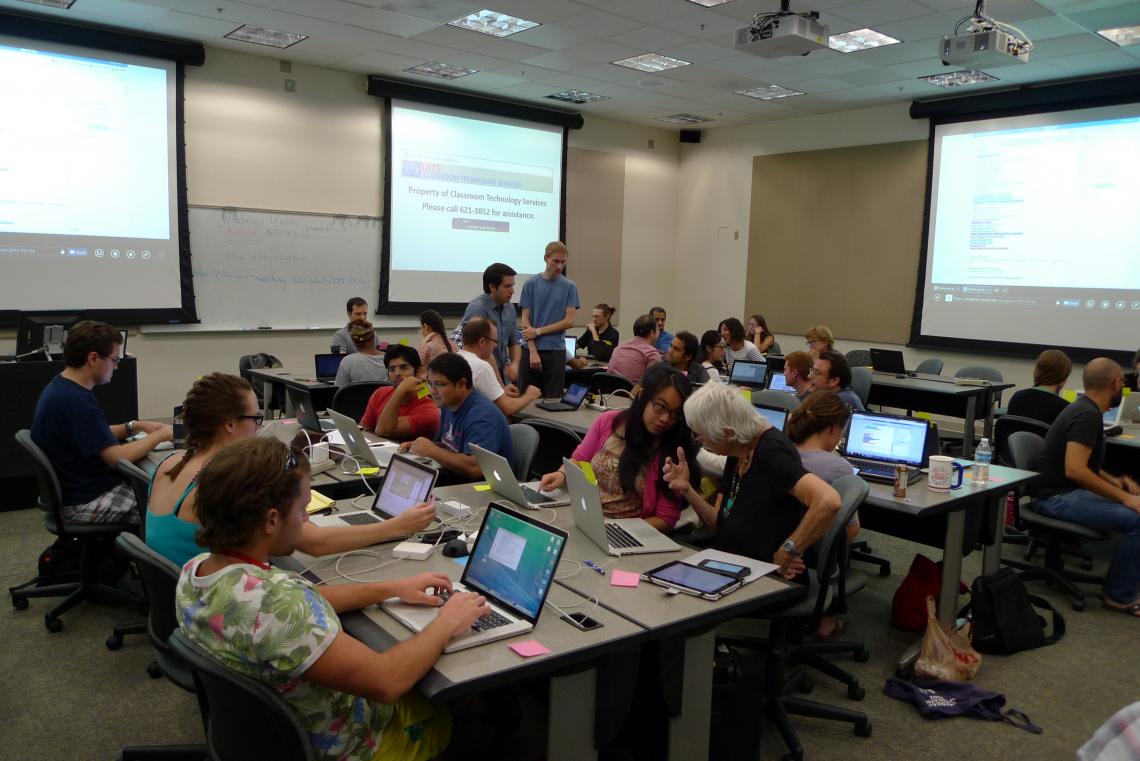
Conducting computing research involves designing and implementing algorithms, developing software, and analyzing large data sets. Researchers and practitioners use programming languages, software development tools, and simulation environments to model and experiment with computational systems.