Categories
common assays

Mass Spectrometry

Overview

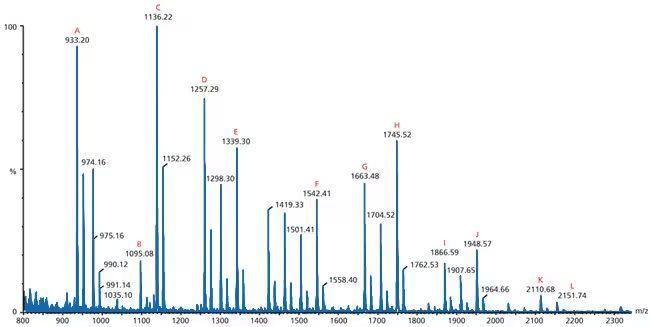
Mass spectrometry is a powerful analytical technique used to identify and analyze molecules based on their mass-to-charge ratio. It’s versatile and widely used analytical method in chemistry and biology that enables researchers to identify and quantify the composition of molecules present in a sample by measuring their mass-to-charge ratio. Mass spectrometry provides valuable information about the molecular weight, structure, and composition of various substances. It allows researchers to identify unknown compounds, study protein sequences, analyze metabolites, and determine the isotopic composition of elements. Mass spectrometry finds extensive applications in proteomics, metabolomics, pharmacology, environmental science, and forensic analysis. It plays a crucial role in drug discovery, biomarker identification, and studying complex biological systems.

Materials and Instruments in Mass Spectrometry:

To perform Mass Spectrometry, you’ll need several key components:

  1. Sample Preparation: The sample of interest is prepared, which may involve extraction, purification, or derivatization depending on the nature of the molecules being analyzed.
  2. Mass Spectrometer: The instrument used to measure the mass-to-charge ratio of ions formed from the sample.
  3. Ionization Source: A technique that converts the sample molecules into ions, which are then introduced into the mass spectrometer.
  4. Mass Analyzer: The part of the mass spectrometer that separates ions based on their mass-to-charge ratio.
  5. Detector: A component that detects and measures the ions’ abundance and generates mass spectra.
  6. Data Analysis Software: To interpret the mass spectra and identify the molecules present in the sample.

Basic Steps in Mass Spectrometry:

Here’s a simplified outline of the Mass Spectrometry process:

  1. Ionization: The sample is ionized using one of several ionization techniques, such as Electrospray Ionization (ESI) or Matrix-Assisted Laser Desorption/Ionization (MALDI).
  2. Mass Separation: The ions are accelerated into the mass analyzer, where they are separated based on their mass-to-charge ratio.
  3. Detection: The detector records the abundance of each ion, generating a mass spectrum that represents the different ions’ masses and intensities.
  4. Data Analysis: The mass spectrum is analyzed using specialized software to identify the molecules present in the sample based on their mass and fragmentation pattern.
  5. Quantification (if applicable): In quantitative mass spectrometry, the abundance of specific molecules is measured and related to their concentrations in the sample.

Its versatility and sensitivity have made it an indispensable technique in modern scientific research, driving discoveries in fields ranging from medicine to environmental science.

Categories
common assays

Spectroscopy

Overview

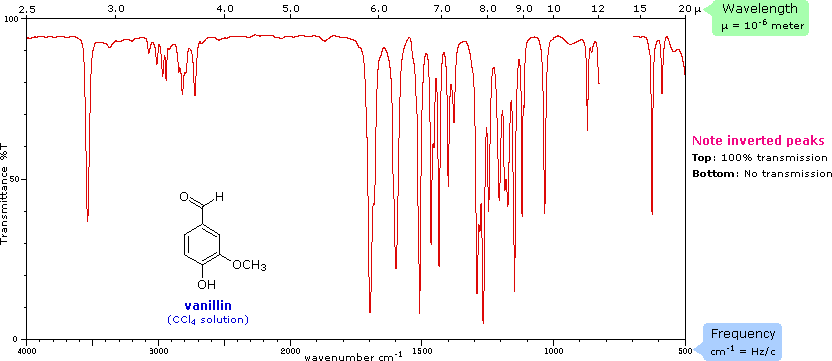
Spectroscopy is a powerful analytical technique used to study the interaction of matter with electromagnetic radiation, an essential analytical tool in the fields of chemistry, physics, and various other scientific disciplines. It involves the study of how matter interacts with different wavelengths of electromagnetic radiation, such as visible light, ultraviolet, infrared, or radio waves. Spectroscopy provides valuable information about the composition, structure, and properties of materials. It helps researchers identify chemical compounds, determine their concentrations, study molecular vibrations, and investigate electronic transitions, among other applications. Spectroscopy finds extensive applications in fields such as analytical chemistry, material science, astronomy, biochemistry, and environmental science. It is instrumental in characterizing molecules, determining the authenticity of substances, and understanding the behavior of matter in various environments.

Materials and Techniques in Spectroscopy:

To perform spectroscopic analyses, you’ll need several key components:

  1. Light Source: An appropriate light source that emits electromagnetic radiation of the desired wavelength, such as lasers or lamps.
  2. Sample Holder: A container or device to hold the material being analyzed, ensuring consistent and repeatable measurements.
  3. Monochromator/Detector: A device that disperses the incoming radiation into its component wavelengths and detects the intensity of each wavelength.
  4. Reference Material: A substance with known properties used as a reference for calibration and comparison.
  5. Data Analysis Software: To process and interpret the spectral data obtained during the analysis.

Basic Steps in Spectroscopy:

Here’s a simplified outline of the spectroscopy process:

  1. Preparation of Sample: The sample is prepared and placed in the appropriate sample holder to ensure accurate measurements.
  2. Interaction with Radiation: The sample is exposed to electromagnetic radiation, such as visible light, ultraviolet, or infrared.
  3. Absorption, Emission, or Scattering: Depending on the type of spectroscopy, the sample will absorb specific wavelengths, emit light at certain wavelengths, or scatter the incident radiation.
  4. Measurement: The intensity of the transmitted, emitted, or scattered radiation is measured using a detector or spectrometer.
  5. Data Analysis: The collected data is analyzed to identify characteristic features or absorption/emission bands, and the information is used to determine the properties of the sample.
  6. Comparison to Reference: The obtained spectral data is often compared to reference spectra to identify specific compounds or verify the authenticity of the material.
Categories
common assays

Cell culture assays

Overview

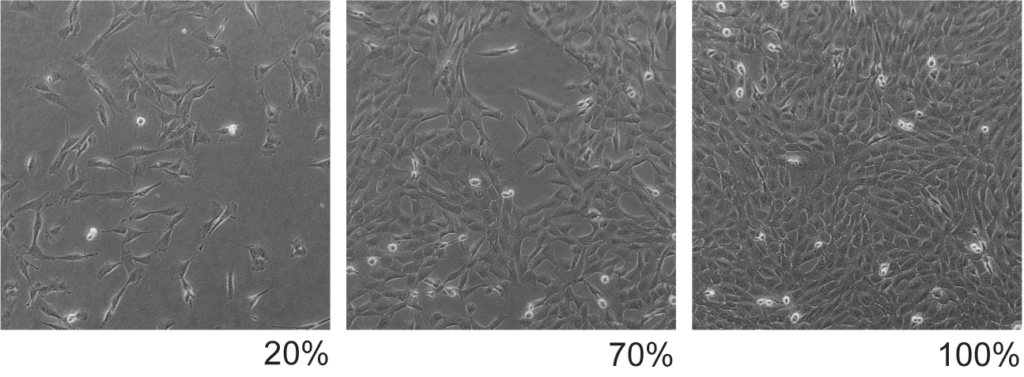
Cell culturing is a fundamental technique used to grow and study cells in a controlled laboratory environment. It involves the cultivation of cells outside their natural environment, providing researchers with a controlled setting to study cell behavior, responses to various treatments, and cellular interactions. Cell culture assays are invaluable in understanding cell physiology, cell signaling, drug responses, and disease mechanisms. They allow researchers to investigate cell growth, viability, migration, and other cellular processes under different experimental conditions. They find extensive applications in areas such as cancer research, drug development, regenerative medicine, and toxicology studies, playing a critical role in disease modeling, drug screening, and exploring the impact of genetic or environmental factors on cell behavior.

The density of cells in a culture is called confluency!

Materials and Equipment in cell culturing:

To perform cell culture assays, you’ll need several key components:

  1. Cell Lines or Primary Cells: The cells of interest, either from established cell lines or isolated from tissues.
  2. Culture Medium: A nutrient-rich solution containing essential growth factors, hormones, and other supplements to support cell growth.
  3. Cell Culture Flasks or Plates: Containers where cells are cultured, providing a stable environment for cell attachment and proliferation.
  4. Incubator: An apparatus to maintain optimal temperature, humidity, and gas concentration for cell growth.
  5. Cell Counting and Viability Assays: Tools and reagents to determine cell number and assess cell viability.
  6. Microscope: To observe cell morphology and monitor cell health during the culture process.

Basic Steps in cell culturing:

Here’s a simplified outline of the cell culture assay process:

  1. Cell Seeding: Cells are seeded onto culture flasks or plates at an appropriate density to ensure optimal growth and confluence.
  2. Cell Growth and Maintenance: Cells are incubated in a controlled environment, providing them with the necessary nutrients and conditions for growth and proliferation.
  3. Cell Treatment: Cells may be exposed to different substances, drugs, or stimuli to study their responses and behavior under specific conditions.
  4. Cell Imaging and Observation: Microscopy is used to observe cell morphology, monitor cell health, and track changes during the culture period.
  5. Cell Viability Assessment: Cell viability assays are performed to determine the number of viable cells and assess cell health.
  6. Data Collection and Analysis: Data on cell growth, viability, and other experimental outcomes are collected and analyzed, providing insights into the effects of treatments or conditions on the cultured cells.

Cell culturing is a cornerstone of modern biomedical research, offering a controlled and reproducible platform for investigating various cellular processes.

Categories
common assays

Fluorescence Resonance Energy Transfer (FRET)

Overview

Fluorescence Resonance Energy Transfer (FRET) is a powerful spectroscopic technique used to study molecular interactions and conformational changes in biological systems. It enables researchers to investigate molecular interactions and distances within biomolecules, relying on the transfer of energy between two fluorophores – a donor fluorophore and an acceptor fluorophore – when they are in close proximity. FRET provides valuable information about molecular interactions, protein-protein binding, DNA-protein interactions, and conformational changes in macromolecules. It allows researchers to measure distances between molecules within nanometer ranges, offering insights into dynamic cellular processes. FRET finds extensive applications in cell biology, biophysics, structural biology, and drug discovery. It is instrumental in studying protein-protein interactions, membrane dynamics, enzymatic activities, and intracellular signaling events.

Materials and Techniques in FRET:

To perform FRET experiments, you’ll need several key components:

  1. Fluorophores: Two fluorophores – a donor and an acceptor – that can absorb and emit light of different wavelengths.
  2. Excitation Source: A light source, such as a laser or a lamp, to excite the donor fluorophore.
  3. Optical Filters: Filters to selectively detect the fluorescence emission from the donor and acceptor fluorophores.
  4. Detector: A photodetector or a camera to measure the emitted fluorescence signals.
  5. Control Experiment: A negative control to account for any non-specific interactions or background noise.

Basic Steps in FRET Experiments:

Here’s a simplified outline of the FRET experiment process:

  1. Fluorophore Labeling: The molecules of interest are labeled with the donor and acceptor fluorophores. The donor absorbs light and transfers energy to the acceptor fluorophore if they are in close proximity.
  2. Excitation: The sample is illuminated with the excitation light, exciting the donor fluorophore.
  3. Energy Transfer: If the donor and acceptor fluorophores are close enough, energy transfer occurs from the excited donor to the acceptor, resulting in fluorescence emission from the acceptor.
  4. Emission Detection: The emitted fluorescence signals from both the donor and acceptor are detected using appropriate optical filters and a photodetector.
  5. Data Analysis: The FRET efficiency is calculated based on the ratio of acceptor fluorescence to donor fluorescence. This efficiency correlates with the distance between the fluorophores and provides information about molecular interactions.

FRET is a powerful technique that allows researchers to explore molecular interactions and dynamic processes at the nanoscale level. It has significantly advanced our understanding of cellular functions and protein behavior, contributing to various discoveries in biomedical research and drug development.

Categories
common assays

Bradford Assay

Overview

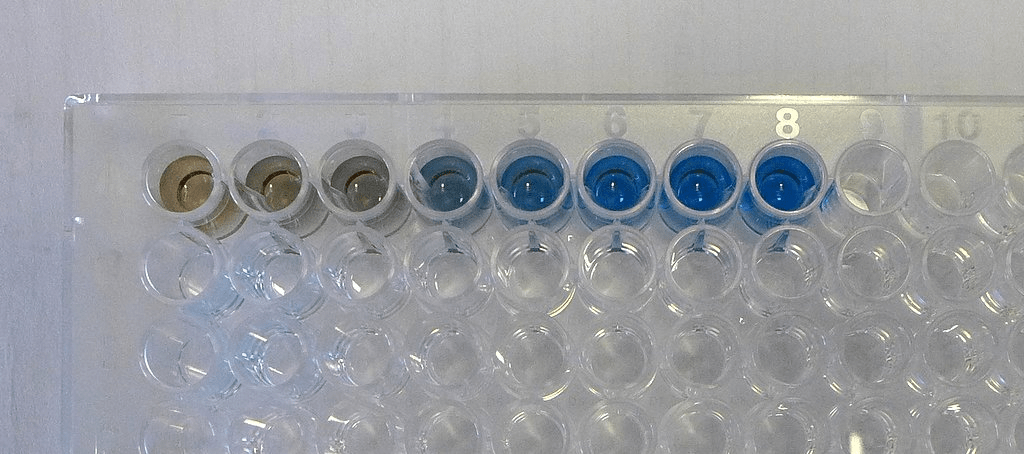
Bradford Assays are a widely used method for protein quantification in the field of biochemistry. It’s common and sensitive technique employed to determine the concentration of proteins in a sample. This colorimetric (numeric measurement of color) assay relies on the binding of Coomassie Brilliant Blue dye (a common type of dye) to proteins, resulting in a color change that can be measured and correlated to the protein concentration. Bradford Assays provide researchers with a quick and reliable method to quantify the amount of protein in a given sample. It is particularly useful in protein purification, protein expression studies, and protein quantification in various biological and biochemical experiments. They find applications in numerous fields, including biochemistry, molecular biology, proteomics, and pharmaceutical research. They are vital in protein purification workflows, assessing protein yield, and determining protein concentrations for downstream applications.

Materials Required for Bradford Assays:

To perform Bradford Assays, you’ll need several key components:

  1. Protein Sample: The solution containing the protein of interest that needs to be quantified.
  2. Bradford Reagent: The Coomassie Brilliant Blue dye solution, which binds to proteins and undergoes a color change upon binding.
  3. Spectrophotometer or Plate Reader: To measure the absorbance of the sample at specific wavelengths.
  4. Microplate or Cuvettes: Containers to hold the sample and reagents during the assay.
  5. Bovine Serum Albumin (BSA) Standard: A known concentration of BSA protein used to create a standard curve for protein quantification.

Basic Steps in Bradford Assays:

Here’s a simplified outline of the Bradford Assay process:

  1. Prepare Standard Curve: Prepare a series of known concentrations of BSA (standard) and measure their absorbance at a specific wavelength using the spectrophotometer. This data will be used to create a standard curve relating absorbance to protein concentration.
  2. Prepare Sample: Dilute the protein sample to be quantified to ensure it falls within the linear range of the standard curve.
  3. Add Bradford Reagent: Mix the sample with the Bradford reagent, allowing the dye to bind to the proteins.
  4. Incubation: Incubate the sample and Bradford reagent mixture for a specific period to allow sufficient color development.
  5. Measure Absorbance: Measure the absorbance of the sample at the appropriate wavelength using the spectrophotometer or plate reader.
  6. Calculate Protein Concentration: Use the standard curve to correlate the absorbance value of the sample with the corresponding protein concentration.

Bradford Assays offer a simple and accurate method for protein quantification, enabling researchers to analyze and compare protein concentrations across various samples. This technique plays a crucial role in protein-related research, facilitating the understanding of cellular processes, disease mechanisms, and the development of therapeutic interventions.

Categories
common assays

Real-time PCR/qPCR

Overview

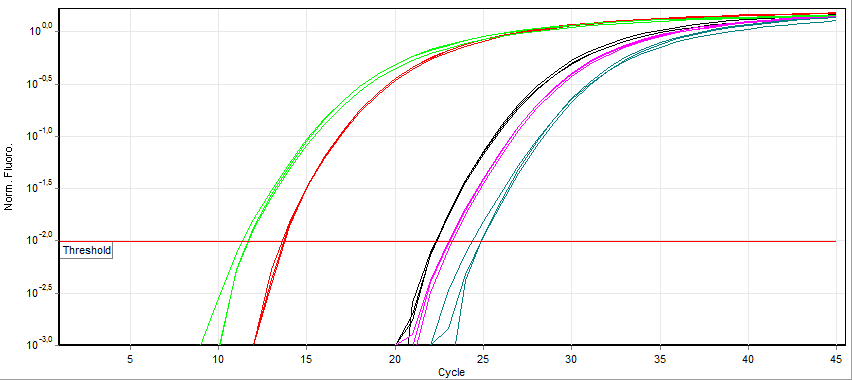
Real-time PCR, also known as quantitative PCR (qPCR) or RT-PCR, is a versatile and widely used molecular biology method that enables researchers to amplify and quantify DNA in real-time during the PCR process. It allows for the accurate determination of the initial amount of DNA in a sample and provides insights into gene expression levels, genetic variations, and pathogen detection. RT-PCR provides valuable information about gene expression, viral load, DNA mutations, and relative amounts of specific DNA sequences. It allows researchers to measure DNA amplification as it occurs, enabling quantification with high sensitivity and specificity. RT-PCR finds extensive applications in genomics, molecular diagnostics, microbial detection, and genetic research. It plays a crucial role in studying gene expression patterns, validating microarray data, identifying pathogens, and analyzing genetic mutations.

Materials and Equipment in RT-PCR:

To perform RT-PCR, you’ll need several key components:

  1. DNA Sample: The DNA of interest, which may be genomic DNA, cDNA reverse transcribed from RNA, or DNA from other sources.
  2. Primers and Probes: Short DNA sequences specific to the target region of interest, which are essential for amplification and detection.
  3. DNA Polymerase: An enzyme responsible for DNA synthesis during the PCR process.
  4. Fluorescent Dyes or Probes: Molecules that emit fluorescence when bound to the amplified DNA, allowing real-time detection of DNA amplification.
  5. Thermal Cycler with Optical Detection: The RT-PCR instrument that automates the cycling and fluorescence detection.
  6. Reference Material (if applicable): A standard sample or a dilution series of known DNA concentrations used to create a standard curve for quantification.

Basic Steps in RT-PCR:

Here’s a simplified outline of the RT-PCR process:

  1. Primer Design and Sample Preparation: Design and select specific primers and probes to target the DNA region of interest. Prepare the DNA sample to be analyzed.
  2. Reaction Setup: Combine the DNA sample with the primers, DNA polymerase, and fluorescent dyes or probes in a reaction mix.
  3. PCR Amplification and Fluorescence Detection: Perform the PCR amplification cycles in the RT-PCR instrument while simultaneously detecting the fluorescence emitted during amplification.
  4. Data Collection and Analysis: The RT-PCR instrument records the fluorescence signal at each cycle. Analyze the data using specialized software, which provides information on the initial DNA concentration and relative gene expression levels.
  5. Quantification (if applicable): If quantification is required, use the standard curve generated from the reference material to calculate the absolute DNA concentration in the original sample.
Categories
common assays

Immunofluorescence assay

Overview

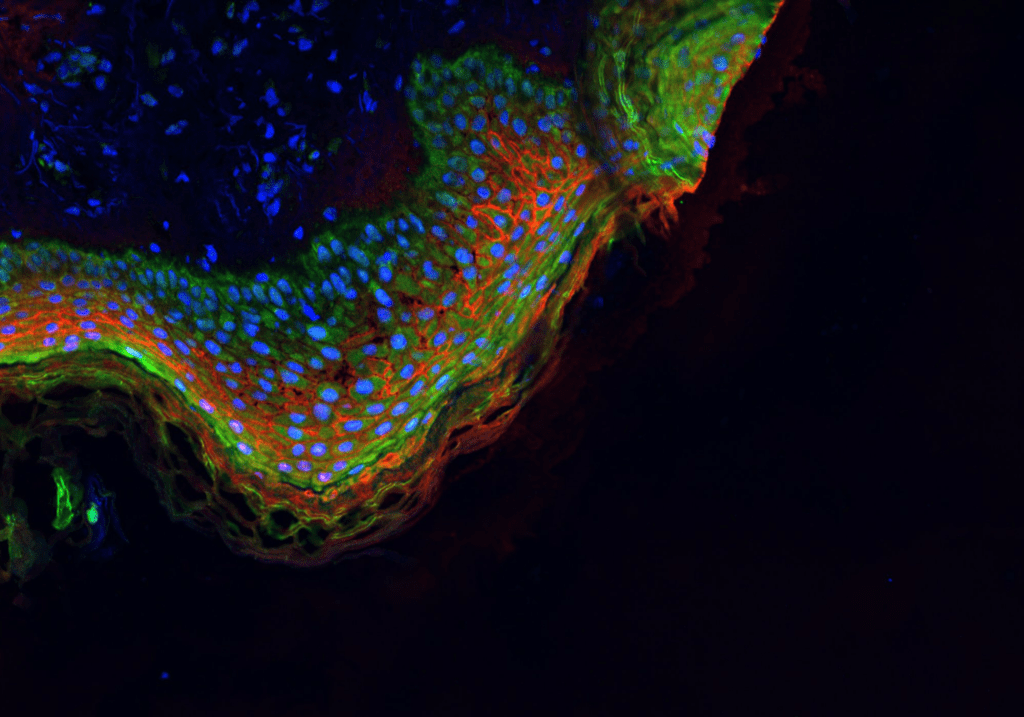
The Immunofluorescence Assay (IFA) is a widely used and versatile laboratory method that enables researchers to visualize the presence and distribution of specific antigens or proteins in biological samples. It utilizes fluorescently labeled antibodies that bind to the target molecules of interest, allowing for precise and sensitive detection. IFA provides valuable information about the spatial distribution and localization of specific antigens or proteins within cells or tissues. It is used to study protein expression patterns, cellular structures, and subcellular localization in various research areas. IFA finds extensive applications in cell biology, immunology, neuroscience, and pathology. It is instrumental in studying cellular signaling pathways, protein-protein interactions, cellular dynamics, and the effects of various treatments on cellular components.

One of the Scientia writer’s own experiments!

Materials and Components in IFA:

To perform an IFA, you’ll need several key components:

  1. Primary Antibodies: Specific antibodies that bind to the target antigens or proteins of interest.
  2. Secondary Antibodies: Fluorescently labeled antibodies that recognize and bind to the primary antibodies.
  3. Blocking Agent: A solution used to block non-specific binding sites and reduce background noise.
  4. Permeabilization and Fixation Reagents: To enable antibody penetration and preserve cell/tissue structures.
  5. Fluorescence Microscope: The microscope equipped with appropriate filters for excitation and emission of the fluorescent labels.

Basic Steps in IFA:

Here’s a simplified outline of the IFA process:

  1. Sample Preparation: Cells or tissue sections are fixed and permeabilized to preserve cellular structures and allow antibody penetration.
  2. Blocking: Non-specific binding sites are blocked with a blocking agent to minimize background fluorescence.
  3. Primary Antibody Incubation: The sample is incubated with specific primary antibodies that bind to the target antigens or proteins.
  4. Washing: Unbound primary antibodies are washed away to reduce background signals.
  5. Secondary Antibody Incubation: The sample is incubated with fluorescently labeled secondary antibodies that bind to the primary antibodies.
  6. Washing: Unbound secondary antibodies are washed away to reduce non-specific signals.
  7. Mounting: The sample is mounted with a suitable mounting medium to preserve the fluorescence signal.
  8. Imaging: The sample is observed under a fluorescence microscope, and the fluorescence signals emitted by the bound antibodies are detected.
  9. Data Analysis: The images are analyzed to determine the localization and distribution of the target antigens or proteins.

Its ability to provide detailed spatial information has significantly contributed to our understanding of cellular structures and functions, advancing research in various disciplines, including cell biology, immunology, and neuroscience.

Categories
how to

How to find the right research field for you

Begin by exploring your academic strengths and curiosities. Take note of the subjects or courses that excite you the most and consider how they might relate to research topics. If you liked your biology class, consider exploring biology subtopics such as genetics, immunology, virology, and more. If you liked your math class, consider researching topics in pure mathematics, applied mathematics, or even computer science. Reflect on the activities or projects that have sparked your curiosity outside of the classroom, as they can provide valuable clues about your interests.

Engaging with extracurricular opportunities, such as science clubs, STEM competitions, or science fairs, can expose you to a wide array of scientific disciplines. High school Olympiads (SciOly, BioOly, USACO, etc.) are great examples of this. Participating in these activities allows you to gain hands-on experiences, work on collaborative projects, and interact with mentors and professionals in various fields. This exposure will help you discover areas that captivate your imagination and inspire a desire to delve deeper into specific research questions.

Additionally, reading scientific articles, books, or attending lectures and talks on different scientific topics can broaden your knowledge and give you insights into various research fields. Pay attention to how you feel while exploring different subjects – genuine excitement and curiosity often indicate that a research field may be a good fit for you.

Moreover, consider seeking guidance from teachers, mentors, or professionals in the field. They can provide valuable advice, share their experiences, and help you connect with research opportunities that align with your interests. Consider seeking out teachers in your favorite class and asking about their experience. What do they like about their subject? What do they not? What have they done in the field so far? Don’t hesitate to reach out to experts or researchers in areas you find intriguing; their insights can be invaluable in shaping your research journey.

Ultimately, finding the research field that best suits you involves exploration, curiosity, and a willingness to try new things. Embrace the process of discovery and stay open to new possibilities. Remember that your interests may evolve over time, and it’s okay to explore multiple research fields before settling on the one that truly resonates with you. By following your passion and engaging in various research experiences, you will pave the way to a fulfilling and rewarding research path.

Here is a list of possible topics you can consider (please keep in mind that there are vast amounts of different fields and topics to go into, so don’t limit yourself to these):

  • Computer science / Artificial Intelligence (AI): AI involves the development of computer systems that can perform tasks that typically require human intelligence, such as speech recognition, problem-solving, and decision-making.
  • Environmental science / climate change: The study of climate change focuses on understanding the long-term shifts in Earth’s climate patterns and the impact of human activities on the environment.
  • Biology / Cancer Research: This field seeks to uncover the underlying causes of cancer, develop innovative treatments, and improve early detection methods to combat this complex disease.
  • Neuroscience: Neuroscience investigates the structure and function of the nervous system to understand brain development, behavior, cognition, and neurological disorders.
  • Genomics: Genomics involves the study of an organism’s entire DNA sequence to uncover genetic variations, understand heredity, and improve personalized medicine.
  • Quantum Computing: Quantum computing explores the principles of quantum mechanics to develop powerful computers capable of solving complex problems at unprecedented speeds.
  • Bioinformatics: Bioinformatics combines biology, computer science, and mathematics to analyze and interpret biological data, such as DNA sequences and protein structures.
  • Stem Cell Research: Stem cell research investigates the potential of these versatile cells to regenerate and repair damaged tissues, leading to breakthroughs in regenerative medicine.
  • Computer science / Cybersecurity: Cybersecurity aims to safeguard digital information and systems from cyberattacks and data breaches, protecting individuals, organizations, and governments.
  • Nanotechnology: Nanotechnology involves manipulating materials at the nanoscale to create new materials, devices, and applications with unique properties.
  • Computer science / Machine Learning: Machine learning explores algorithms and statistical models that enable computers to learn from and improve their performance on specific tasks without explicit programming.
  • Virology: This field investigates the causes, transmission, and treatment of infectious diseases, such as HIV, malaria, and COVID-19.
  • Biotechnology: Biotechnology applies biological principles to create new products, therapies, and technologies for medicine, agriculture, and industry.
  • Urban Planning: Urban planning studies address the design and development of cities, focusing on infrastructure, transportation, and sustainable growth.
  • Materials Science: Materials science investigates the properties, structure, and applications of various materials, leading to advances in engineering and technology.
  • Pharmacology: Drug discovery research aims to identify and develop new medications to treat various diseases and improve overall healthcare.
  • Behavioral Economics: Behavioral economics studies the psychological and emotional factors that influence decision-making, guiding policies and interventions to shape economic behavior.
Categories
how to

How to read a manuscript

Conducting a literature review is a critical aspect of any research project. It involves systematically gathering, evaluating, and synthesizing existing research and publications relevant to your study in order to build upon previous knowledge or gather evidence for/against your own paper or experiment. In this comprehensive guide, we will provide step-by-step instructions and essential tips for conducting a literature review.

The general outline for any manuscript is as follows, starting from the top:

Literature Review:

Step 1: Define the Scope and Research Questions: Clearly define the scope of your literature review and the specific research questions you aim to address. This will help you stay focused and avoid getting overwhelmed with irrelevant information.

Step 2: Identify Keywords and Search Databases: Develop a list of relevant keywords related to your research topic. Utilize academic databases such as PubMed, Google Scholar, Scopus, and Web of Science to conduct your literature search.

Step 3: Review Abstracts and Titles: Scan through the abstracts and titles of the retrieved articles to assess their relevance to your research questions. abstracts are essentially condensed summaries of the paper, allowing you to understand the basic purpose of the paper without needing to read the entire thing.

Step 4: Read Full-text Articles: Carefully read the full-text articles of the selected papers. Each person has their own way of reading and understanding papers, but we recommend this reading order:

  1. Abstract. This will allow you to understand the basic purpose of the paper first, so you know what you’re getting into.
  2. Results. Results are often at the end of the paper, but that doesn’t mean you should read them last. Knowing what the results are first will allow you to understand more thoroughly the methodology and discussion.
  3. Everything else. After the abstract and results, then go back to read the paper in order (methodology, results, discussion, etc.

Make sure to take comprehensive notes and identify key findings, methodologies, limitations, and gaps in the literature. Look up any words or concepts you don’t know!

Step 5: Analyze and Discuss Findings: Analyze the literature critically. Try to find gaps or limitations in their research, or compare and contrast with different studies.

Extra tips:

  • Stay updated with the latest research by setting up alerts for relevant keywords.
  • Consult with your mentors or peers to get insights and recommendations on relevant literature.
  • Be objective and avoid bias when evaluating and interpreting the findings of different studies.
Categories
how to

Guide to having a good lab notebook

In any kind of lab or research setting you’re in, it’s imperative you have a good, coherent lab notebook to record your data and findings. Here’s how to develop a good lab notebook:

A well-kept lab notebook provides detailed record of experiments, observations, and results. Bad lab notebooks can often result in false or missing data, incorrect interpretations, or faulty experiments, so it’s extremely important to keep a good notebook. In this comprehensive guide, we will outline essential practices to create and maintain a good lab notebook.

  1. Choosing the Right Notebook: Most labs will provide you with a lab notebook, which is usually more of a notepad with graph paper. You can also use your own notebook, but be sure to select a high-quality notebook with numbered pages and a durable cover. Consider using notebooks with grid or graph paper for neat drawings and calculations.
  2. Lab Notebook Guidelines: Familiarize yourself with any specific guidelines or requirements set by your institution or research supervisor, if they have a specific way they’d like you to record data or any kind of formatting. Adhering to these guidelines ensures consistency among lab members and simplifies data verification and auditing.
  3. Each Lab Entry: Always begin each lab notebook entry with a title that briefly describes the experiment or task, the date, and any other relevant information depending on your experiment.
  4. Record in Real-time: Document the preparation of samples, including concentrations, dilutions, and any modifications made. Record experimental procedures, measurements, observations, and results directly in the lab notebook in real-time. This helps to avoid errors and ensures accuracy and completeness of information. Make sure to include any calculations as well in case you need to look back on it. Make sure to note experimental conditions—details of experimental conditions such as temperature, humidity, or any other parameters that might influence the results.
  5. Detailed and Clear Entries: Write in clear and concise language, avoiding ambiguous terms (and generally abbreviations too, but they are still allowed as long as you’ve clearly clarified them beforehand). The main rule of thumb for keeping a good notebook is to include sufficient detail to enable someone else, who has no idea what you’re project is on, to replicate your work if necessary.

Extra tips:

  • Use of Pen and No Erasing: Write in pen to prevent alterations or erasing of entries. If an error is made, draw a single line through the mistake, initial it, and provide the correct information nearby.
  • Include Relevant Diagrams and Graphs: Use diagrams, sketches, and graphs to complement written descriptions. These visual aids make it easier to understand complex procedures and results.
  • Incorporate References: When applicable, include references to relevant literature or external sources that informed your experimental design or provided critical information.
  • Document Observations and Unexpected Results: Record all observations, even if they appear insignificant or do not align with your hypothesis. Unexpected results may be valuable in understanding potential sources of error or for future investigations.
  • Regular Review: Regularly review your lab notebook. Reviewing your entries can help identify any errors or omissions, while signing confirms that you stand by the data recorded.
  • Share and Collaborate: Encourage open communication and collaboration within your lab. Sharing your lab notebook with colleagues can foster constructive discussions and improve the quality of research.
  • Keep it Organized: Organize your lab notebook sequentially and use tabs or bookmarks to easily locate important sections.
  • Back-Up Data: Regularly back up your lab notebook data, either in digital or physical form, to safeguard against loss.

Did you know? A well-maintained lab notebook is not only a crucial scientific tool but also a legal document that can be used in patent applications and intellectual property disputes.