Preparing for your first day in a research lab as a high school student can be both exciting and nerve-wracking: there will be a lot of questions and information thrown at you. Here’s a guide on how to prepare for your first day and what to expect coming in.
Before your first day
Your first day will most likely be agreed upon a few weeks after your PI’s agree to have you, so here’s what you can do in the time before you go in:
Review basic science concepts. Brush up on fundamental science principles related to the lab’s field. For example, if you’re doing neuroscience, you’ll want to know basic brain function and anatomy. If you’re going into bioinformatics, you’ll want to know some basic biology and programming skills. This will help you understand discussions and experiments more easily without having to spend too much time catching up on basic ideas. But, don’t worry if you don’t understand everything! It’s important to note that your PI’s are not expecting you to know everything on the first day. You’re going into the lab to learn, not to review!
Review the lab’s most recent publications. Their lab website will most likely have a link to all of their downloadable publications, so you’ll want to download them and review their most recent papers. You don’t have to understand every minute concept in the paper, but it’s good to get a general grasp on their latest projects and areas of interest. If they don’t have a link to their publications, you can email them and ask for any papers they think will be important to read beforehand.
Most labs will have a list of their publications, free to download!
– Scientia Research writer
Plan your transportation. If you’re going to an area you’ve never gone before or the lab building is in an obscure location, make sure to plan your way there beforehand – you can use Google Maps, or even go there a day before to plan out your route. It’s best to know how to get there before you actually go in, just in case you get lost or get stuck in traffic.
On your first day
Today’s your first day! Here’s what you need to do right before you leave:
Dress Appropriately: All labs require lab-safe clothing, so this means no open toed shoes and no overly loose clothing or jewelry/accessories. Wear appropriate clothing you’re comfortable in, as you’ll most likely be there for many hours. If you’re unsure about any specifics, don’t be afraid to ask once you get there!
Pack essentials. Pack a small backpack with items you’ll most likely need:
notebook
laptop
pens + pencils
calculator
water (in a closed bottle) and a snack or lunch
USB drive (not necessary, but always good to have just in case)
any other materials your PI’s have specifically asked you to bring
Leave your house early. It’s always best to give yourself some buffer time in case traffic gets bad, you get lost, or anything that might prevent you from arriving on time.
What to expect going in
Most labs will not have you starting anything complex on your first day. Don’t expect to be doing any crazy complex work right off the bat. You can most likely expect an orientation: they’ll give you a tour of the lab, introduce you to your now colleagues, give you a lecture on any important concepts, and update you on their current projects. Make sure to have a notebook/laptop handy to take notes.
You will most likely be shadowing someone in the lab. Even before you come in, your PI’s will have most likely paired you with someone working in the lab, either an undergraduate student, PhD student, or postdoctoral researcher. This is your direct mentor. After you’ve gotten orientated around the lab, they will take you to meet your direct mentor (or maybe they’re the one who gave you the tour) and they will explain their project to you. They will have experiments already running, so you’ll most likely be following them around and helping them out with different parts (ex. learning to pipetting their solutions, plate bacteria, incubate cells, etc.).
For the first few weeks, you’ll only be helping out. You’ll shadow your mentor for a few weeks until you get comfortable being independent around the lab and doing various aspects of an experiment, at which point you’ll transition into your own independent project. It will most likely be a subproject of your mentor’s, who’s probably working towards their PhD or any type of thesis project.
Remember, each lab has their own environment, culture, and rule set. If you’re unsure about anything, do not be afraid to ask questions! Your mentors will want to see that you’re not afraid to ask for help and that you’re intellectually curious. Always ask why!

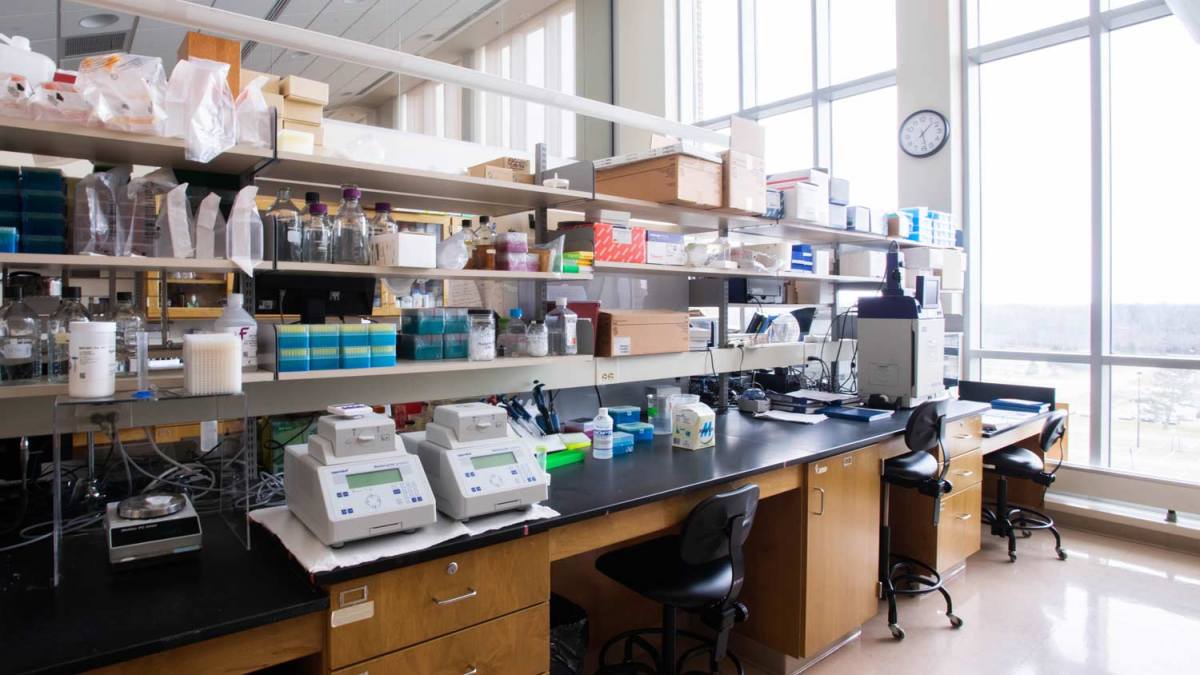

 Scientia Research