
What is the study of environmental science?
Environmental science is the study of the natural world and the complex interactions between living organisms and their environment. This field encompasses various subtopics that explore the Earth’s ecosystems, environmental processes, and human impacts on the planet.
Key subfields of environmental science include
- ecology: investigates the relationships between organisms and their environments, examining how species interact and how ecosystems function as a whole.
- environmental chemistry, climatology, hydrology, soil science, and environmental policy. Ecology: explores the chemical processes and pollutants affecting air, water, and soil quality Climatology: focuses on the study of climate patterns and changes
- Soil science: investigates the properties and functions of soils, essential for agriculture and ecosystem health.
- Environmental policy: addresses the development and implementation of regulations and practices to protect natural resources and promote sustainability.
Some notable figures
Throughout history, influential figures have contributed to environmental science and its conservation efforts.
- Rachel Carson’s book “Silent Spring” brought attention to the detrimental effects of pesticides on the environment, leading to the modern environmental movement.
- John Muir’s advocacy for national parks and wilderness preservation paved the way for modern conservation efforts.
- Wangari Maathai’s work in reforestation and women’s empowerment earned her the Nobel Peace Prize, highlighting the intersection of environmental and social issues.
Some notable breakthroughs
Environmental science has witnessed significant breakthroughs in understanding and addressing environmental challenges.
- The discovery of the ozone hole in the 1980s led to international efforts to reduce ozone-depleting substances.
- The identification and study of biodiversity hotspots have become critical in prioritizing conservation efforts.
- The development of renewable energy technologies, such as solar and wind power, has advanced sustainable energy solutions to combat climate change.
What does it take?
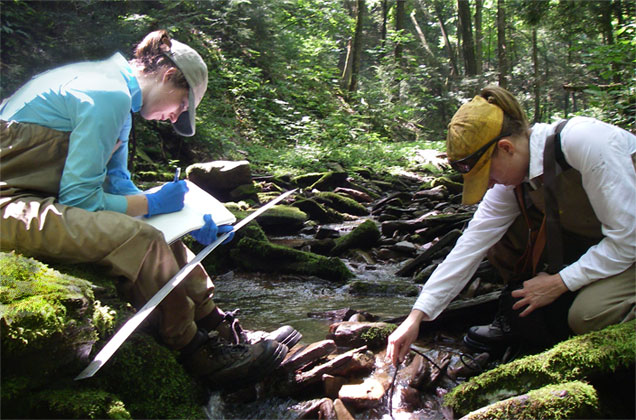
Conducting environmental science research requires a combination of fieldwork, laboratory analysis, and data modeling. Researchers often collect samples of air, water, soil, and biological specimens to monitor environmental parameters and assess pollution levels. Sophisticated analytical equipment is utilized to measure chemical compounds and pollutants. Additionally, computer modeling is employed to simulate environmental processes and predict future scenarios, aiding in environmental management and policy decisions.
 Scientia Research